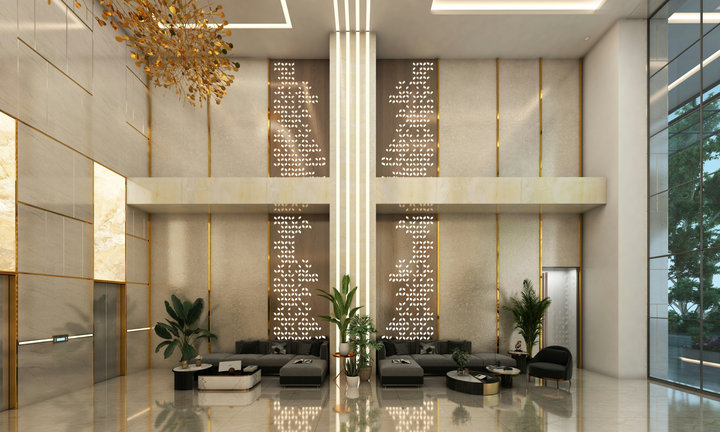

Lighting scene programming is the aspect of smart technology integration that clients feel most viscerally, yet it receives the least attention in most project specifications. A technically correct lighting installation — correct hardware, correct wiring, correct commissioning — can still feel wrong if the scenes are programmed without a coherent design philosophy.
Principle 1: Light Temperature is as Important as Intensity
Tunable white and RGBW fixtures allow lighting to shift from cool, energising daylight temperatures (5,000–6,500K) during working hours to warm, relaxing candlelight temperatures (2,700–3,000K) in the evening. Scenes should exploit this capability. A “Welcome Home” scene that dims chandeliers to 40% but maintains them at 5,000K is technically correct but experientially wrong — it will feel cold and institutional when it should feel warm and inviting.
Principle 2: Transition Curves Matter
How a scene transitions — the rate of change and the easing curve applied to that change — significantly affects how it feels. An abrupt 0.5-second transition between scenes is jarring. A 2-second ease-in-out curve feels natural. In hospitality and residential settings, we typically apply 1.5–3 second transitions for scene changes and 10–30 second slow fades for “preparing to close” and “waking up” sequences.
Principle 3: Design for Keypad Logic, Not System Logic
Scene names on keypads and touchscreens should reflect how the client thinks about the space, not how the programmer organised the channels. “Dinner” is better than “Dining Room — Mid.” “Reading” is better than “Lounge — 35%.” The client should never need to understand the underlying structure of the system to find the scene they want.
Principle 4: Test in Conditions, Not in Isolation
Scenes should be tested and tuned in the actual lighting conditions the client will use them in — which means at night, with furniture in place, with the specific lamp types and shade colours that will be present in the finished room. Pre-handover, we conduct a scene review session with the client in exactly these conditions and iterate until every scene is correct.